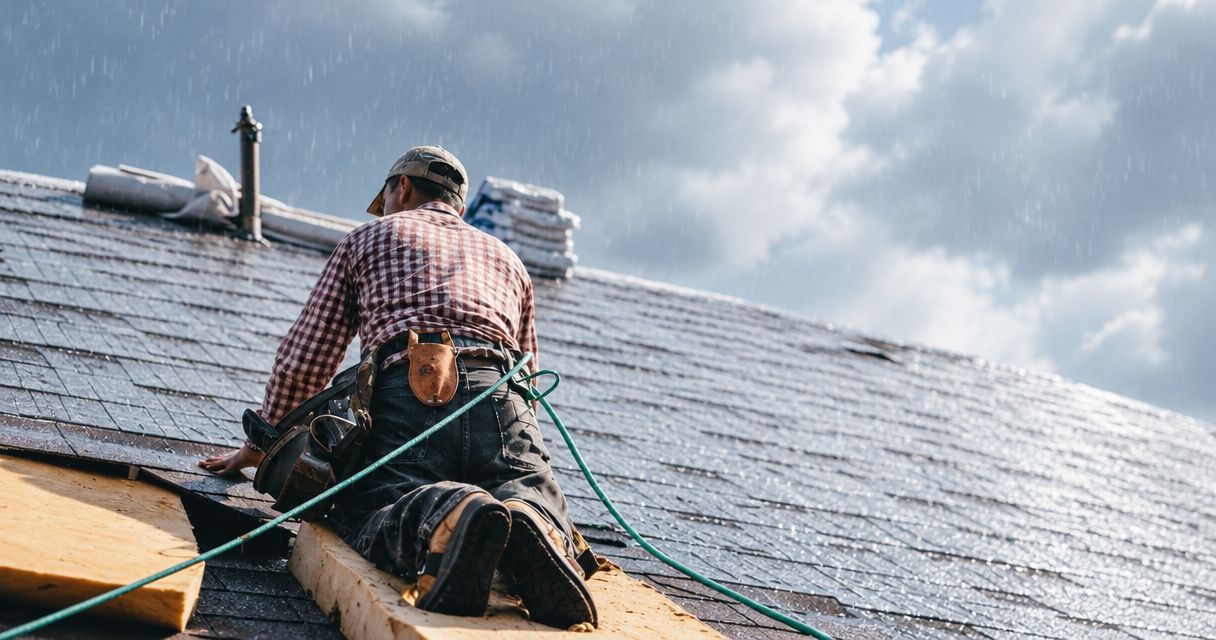
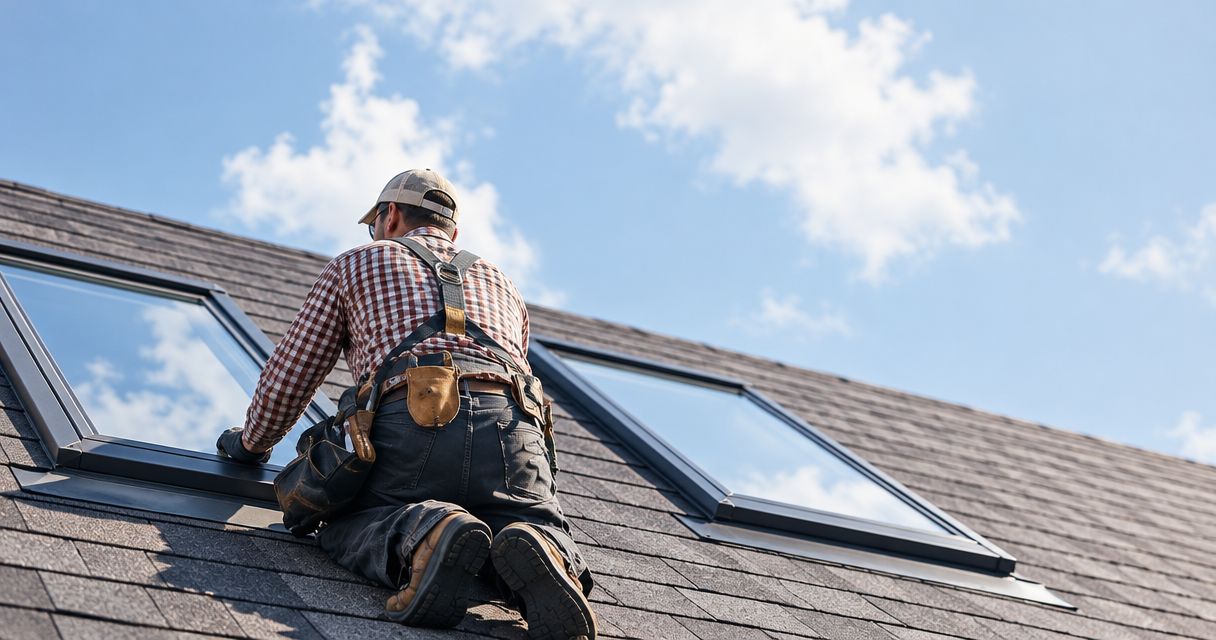
Replace skylights during roof replacement when an inspection finds damage, failed seals, or a unit that cannot be properly integrated with the new roofing; do not replace a sound skylight solely because the roof is being replaced. The separate issue is flashing—the water-shedding connection around the skylight—which needs its own assessment even when the window stays. For a 2026 roof replacement in Huntsville, ask for a written recommendation that distinguishes the skylight, its flashing, and the surrounding roof deck.
- For roof replacement huntsville al planning, inspect skylights and flashing before choosing a replacement scope.
- Keep a sound skylight only when its condition and roofing connection support that decision.
- Replace damaged skylights rather than covering unresolved problems with new roofing.
- Thoughtfulroofer provides residential roof replacement services for Huntsville, Madison, and Owens Cross Roads homeowners.
Roof replacement in Huntsville: should you replace the skylights?
Replace a skylight because of its condition and installation requirements, not simply because shingles are coming off. A roof replacement gives your contractor access to the surrounding roofing, making it a practical time to resolve skylight problems. Access alone is not proof that every skylight needs replacing.
For homeowners comparing Thoughtfulroofer roof replacement services, the useful question is whether the proposed work addresses both the roof covering and its connections around openings. A new roof does not correct a damaged skylight unless the scope includes that work.
| Option | Best for | Main advantage | Main limitation |
|---|---|---|---|
| Keep the skylight | A sound unit with a suitable installation connection | Avoids replacing a functioning window | Existing seals, glazing, and operating parts remain |
| Replace the skylight | A damaged unit or one with unresolved condition problems | Addresses the window while surrounding roofing is accessible | Adds work and requires a clear interior and exterior scope |
| Remove the skylight | Homeowners who no longer want the opening | Eliminates the skylight itself from the roof design | Requires rebuilding the opening and addressing interior finishes |
Before selecting an option, ask the contractor to explain the evidence. Photographs, observations inside the house, and the skylight's identifying information are more useful than a blanket recommendation to keep or replace everything.
Why this matters
A skylight interrupts the roof covering, so the connection around it matters as much as the roofing beside it. Water must move past the opening without entering the roof assembly. Replacing shingles while leaving an unresolved connection problem does not address the full job.
Your 2026 estimate should make the skylight decision visible rather than burying it under general roofing language. Otherwise, you cannot tell whether the contractor plans to replace flashing, inspect concealed wood, or leave the existing window untouched.
This matters for both an aging roof and a storm-damaged roof. The inspection questions overlap, but the reason for replacement—and any insurance decision—remains separate.
When keeping an existing skylight makes sense
Keeping a skylight deserves consideration when the glazing, frame, seals, and operation show no unresolved defects. The contractor also needs to determine whether the unit can connect correctly to the replacement roof using an appropriate flashing detail.
A dry ceiling is useful evidence, but it is not a complete skylight inspection. Some problems appear at the exterior connection or in concealed materials before they become obvious from the room below. Conversely, an old ceiling stain does not prove that water is still entering.
Ask what supports the recommendation to keep the unit:
- Is the glazing intact, without visible cracks or moisture trapped between panes?
- Does an opening skylight close properly, without obvious gaps or damaged parts?
- Is the frame sound where the contractor can inspect it?
- Can the contractor identify a suitable flashing method for the roof and skylight?
- Will the surrounding deck and support be inspected when exposed?
The advantage is straightforward: you keep a functioning window. The trade-off is equally clear: retaining the skylight does not renew its existing components, and later replacement can require disturbing roofing around it.
When replacing the skylight is the sensible choice
Replacement deserves serious consideration when the window itself has a defect that new roofing cannot fix. Examples include cracked glazing, moisture between panes in an insulated glass unit, deteriorated framing, or an opening mechanism that no longer closes correctly.
A history of leakage also needs an explanation before you keep the skylight. Ask whether the evidence points to the window, its flashing, the surrounding roof, or another source. A stain alone cannot identify the failed component.
Replacing the unit during roof work allows the contractor to coordinate the window and surrounding roofing as one scope. It also introduces decisions about the opening, interior trim, and any finishing work. Those details belong in the proposal, not in a conversation after removal begins.
For a 2026 replacement proposal, request identification of the proposed skylight and the installation instructions that apply. Do not accept a generic description that leaves you unable to compare the proposed unit with the existing opening.
What if you want to remove the skylight entirely?
Removal is a separate project choice, not simply replacement without a new window. The opening needs appropriate framing, roof decking, and roofing, while the interior needs a plan for insulation, air sealing, and finishes.
Choose removal because you no longer want the skylight, not because someone describes it as a simple patch. You give up daylight through that opening, and the work extends beyond the exterior roof surface.
Ask who handles each part of the project. A roofing proposal should explain what it includes and what needs a separate agreement, especially where the work reaches the ceiling or an interior light shaft.
Why the skylight recommendation varies
The right decision depends on what the inspection establishes. Use these factors to understand why one skylight can stay while another needs replacing:
- Window condition: Cracks, damaged seals, deteriorated framing, and operating problems concern the skylight itself.
- Flashing condition: Failed or unsuitable flashing calls for a connection repair, but does not by itself prove the window has failed.
- Roofing connection: The proposed roofing and skylight must have an appropriate installation detail, including when metal roofing is involved.
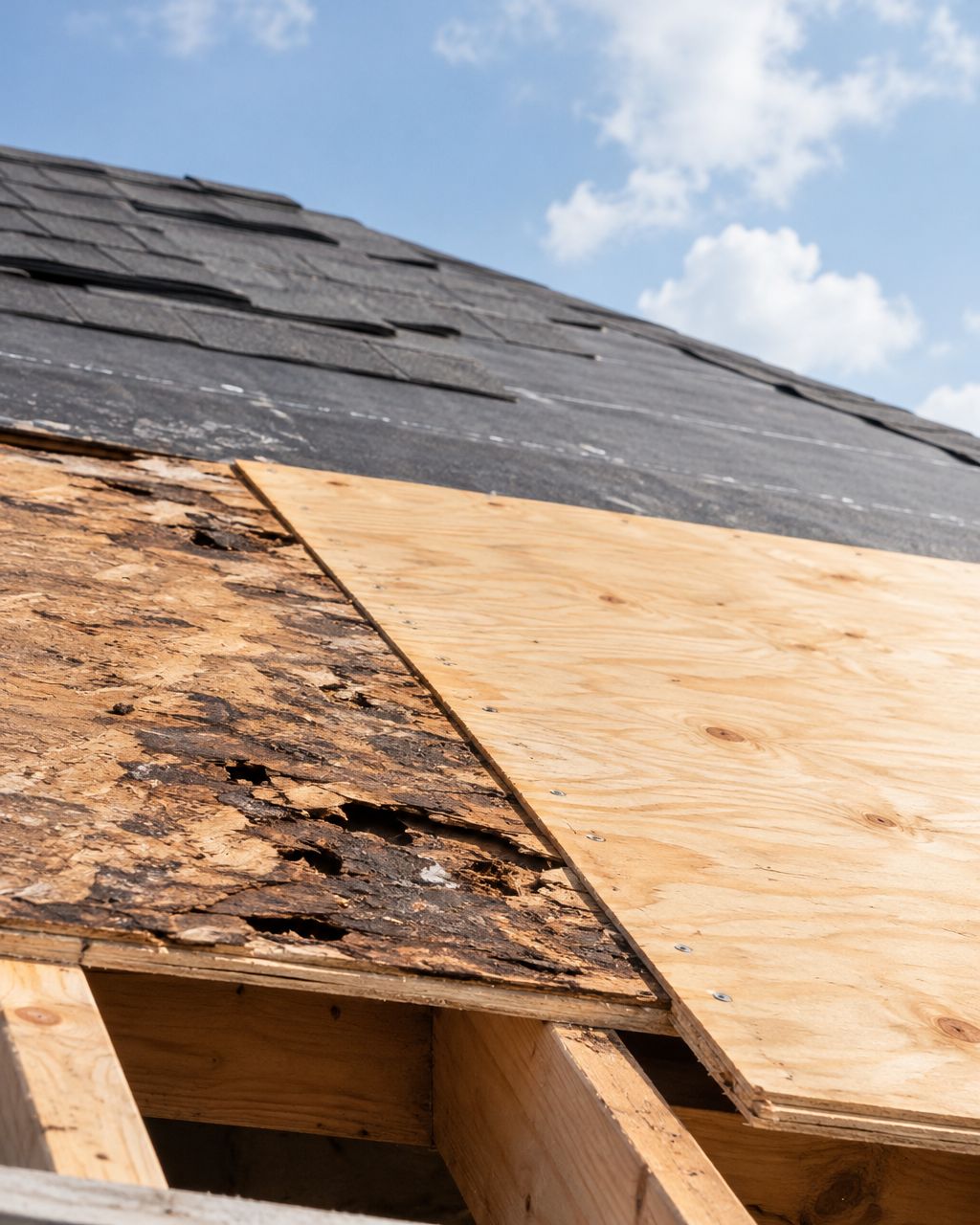
- Concealed damage: Deterioration around the opening can change the work once the roof covering is removed.
- Interior scope: Trim, drywall, insulation, and the light shaft affect what replacement or removal involves.
- Homeowner preference: Keeping daylight, retaining an opening function, or closing the opening changes the desired result.
These factors explain the decision without relying on a blanket age cutoff. If a contractor recommends replacement based on age, ask what condition evidence and installation requirements support that recommendation.
How should the contractor inspect the skylight?
Ask for an inspection that connects what you see indoors with what the contractor finds outside. Keep your own observations to safely accessible areas; leave roof access to the contractor.
- Review symptoms. Describe stains, dripping, fogging, drafts, or difficulty opening and closing the unit. Explain when you noticed them and whether they changed after a storm.
- Inspect the window. Have the contractor assess visible glazing, frame condition, seals, and operating parts, as applicable to the unit.
- Check flashing. Ask how the surrounding flashing directs water away and how it will connect to the new roof covering.
- Inspect exposed wood. Include a check of accessible decking and support around the opening when roofing removal exposes those areas.
- Document the scope. Get a written keep, replace, or remove recommendation with the reasons and any conditions that require further approval.
The sequence matters because the roof covering can hide damage. A reasonable initial recommendation can still need revision when removal reveals the condition of the wood underneath.
Ask for photographs showing the findings, not just a verbal description. If the scope changes after roofing removal, the explanation should identify what changed and which work needs your approval.
Is the decision different for an aging roof or storm damage?
For an aging roof, focus on the existing skylight's condition and how it will connect to the replacement roofing. Previous repairs, recurring symptoms, and visible deterioration help frame the inspection. Replacing the roof is an opportunity to address those issues, not evidence that the skylight has automatically failed.
For storm-related replacement, ask the contractor to distinguish observed storm damage from existing wear or other defects. Document the condition of the skylight, flashing, and surrounding roof separately. That distinction helps you understand the proposed work even when an insurance claim is involved.
Storm damage does not guarantee insurance coverage for a skylight or a roof. Coverage depends on the policy and the insurer's claim decision; a contractor's recommendation is not a coverage determination.
Keep the repair recommendation, insurer's documents, and work agreement clear about what each includes. For a 2026 claim-related project, confirm which skylight work you are authorizing rather than assuming every component is included with roof replacement.
What should a skylight scope include in the estimate?
A useful estimate describes the work well enough that you can compare proposals without translating vague phrases. Ask the contractor to identify each skylight and state whether it stays, is replaced, or is removed.
Look for a clear explanation of:
- The window: Whether the existing unit remains and, if not, what replacement is proposed.
- The flashing: What happens to the existing components and how the new connection will be installed.
- The opening: Whether changes to framing or the opening are included.
- The wood: How concealed deterioration will be documented and approved before additional work.
- The interior: Who handles affected trim, drywall, insulation, or other finishes.
- The closeout: What photographs, installation information, and applicable manufacturer documents you receive.
If you are choosing metal roofing, ask for the skylight connection detail specific to that roof system. A proposal should not treat every roof covering and every skylight as interchangeable.
Thoughtfulroofer roof replacement services are for homeowners in Huntsville, Madison, and Owens Cross Roads who need residential roofing work. The combat veteran-owned business also provides roof repair, metal roofing, and gutter services; the skylight decision should still rest on documented findings, not on a general service description.
Discuss your roof replacement scope
Ask about the roof, skylight flashing, and any work needed around the opening.
Can you replace the flashing without replacing the skylight?
Yes, flashing work and window replacement are separate decisions, provided the existing skylight is suitable to retain and the installation permits the proposed work. Ask the contractor to explain the connection detail rather than accepting a promise to seal around the edges.
Surface sealant is not a substitute for a correctly designed flashing assembly. The estimate should describe how roofing, underlayment, and flashing work together around the opening.
Does a ceiling stain mean the skylight needs replacing?
No, a ceiling stain does not identify the source by itself. Water entry at flashing, a defect in the unit, condensation, or water arriving from another roof area requires different corrective work.
Photograph the stain and record when it changes. That gives the contractor useful context without requiring you to diagnose the problem or climb onto the roof.
FAQ
Should I replace every skylight when I replace my roof?
No, roof replacement does not automatically require replacing every skylight. Base the decision on each unit's condition and whether it can be properly integrated with the replacement roofing.
Can I keep a skylight that has never leaked?
You can consider keeping a skylight that has never leaked, but its glazing, frame, operation, and flashing still need inspection. A lack of visible leakage does not establish the condition of concealed materials.
Is fogging between skylight panes a roof leak?
Fogging between panes in an insulated glass unit points to a glazing seal problem, not proof of a roof leak. The contractor should assess the glass separately from the surrounding flashing.
Will homeowners insurance replace my skylight after a storm?
Insurance coverage for a storm-damaged skylight depends on your policy and the insurer's claim decision. Document the damage and do not assume that roof replacement approval includes every skylight component.
Can I keep my skylight when switching to metal roofing?
Keeping a skylight when switching to metal roofing requires a suitable connection between the unit and the proposed roof system. Ask for the applicable installation detail before approving the scope.
What should I ask before signing a roof replacement estimate in 2026?
Ask whether each skylight stays, is replaced, or is removed, and what flashing and interior work the agreement includes. Also ask how concealed wood damage will be documented and approved.
Does replacing a skylight include fixing the ceiling?
Skylight replacement includes ceiling repairs only when the agreement explicitly includes that work. Confirm responsibility for drywall, trim, insulation, and finishes before work starts.
One last thing
Before signing a 2026 roof replacement agreement, ask the contractor to mark each skylight as keep, replace, or remove on the written scope. Then ask what happens to its flashing. Those are separate decisions, and recording both prevents a general promise about the new roof from standing in for a specific plan around the opening.